If you are planning to learn scuba diving, you have probably come across PADI reviews while comparing certification providers. PADI, short for the Professional Association of Diving Instructors, is one of the most recognized names in recreational scuba diving. Its training system covers beginners taking their first underwater breath as well as experienced divers looking for advanced skills, specialty certifications, and professional training.
PADI has built a large international network that makes it possible to start training in one location and continue diving or completing additional courses in another. The organization currently reports more than 30 million certified divers, 6,600 dive centers and resorts, and 128,000 professional members worldwide.
But what do PADI reviews actually tell prospective divers? Is the certification suitable for beginners? What courses are available, and what should you know before booking? This guide looks at the PADI experience, its main features, courses, learning options, and factors that can affect customer experiences.
What Is PADI?
PADI is a scuba diving training organization established in 1966. It provides recreational diving education, specialty courses, professional-level training, digital learning resources, and access to dive centers around the world.
Rather than operating as a single dive school, PADI works through a worldwide network of dive shops, resorts, instructors, and dive professionals. This means the actual classroom, pool, boat, and open-water experience can differ depending on the local PADI Dive Center or instructor you choose.
PADI’s training system includes beginner certifications, continuing education, specialty courses, and professional programs. Its Open Water Diver course is the primary entry point for people who want a full recreational scuba certification.
What Features Does PADI Offer?
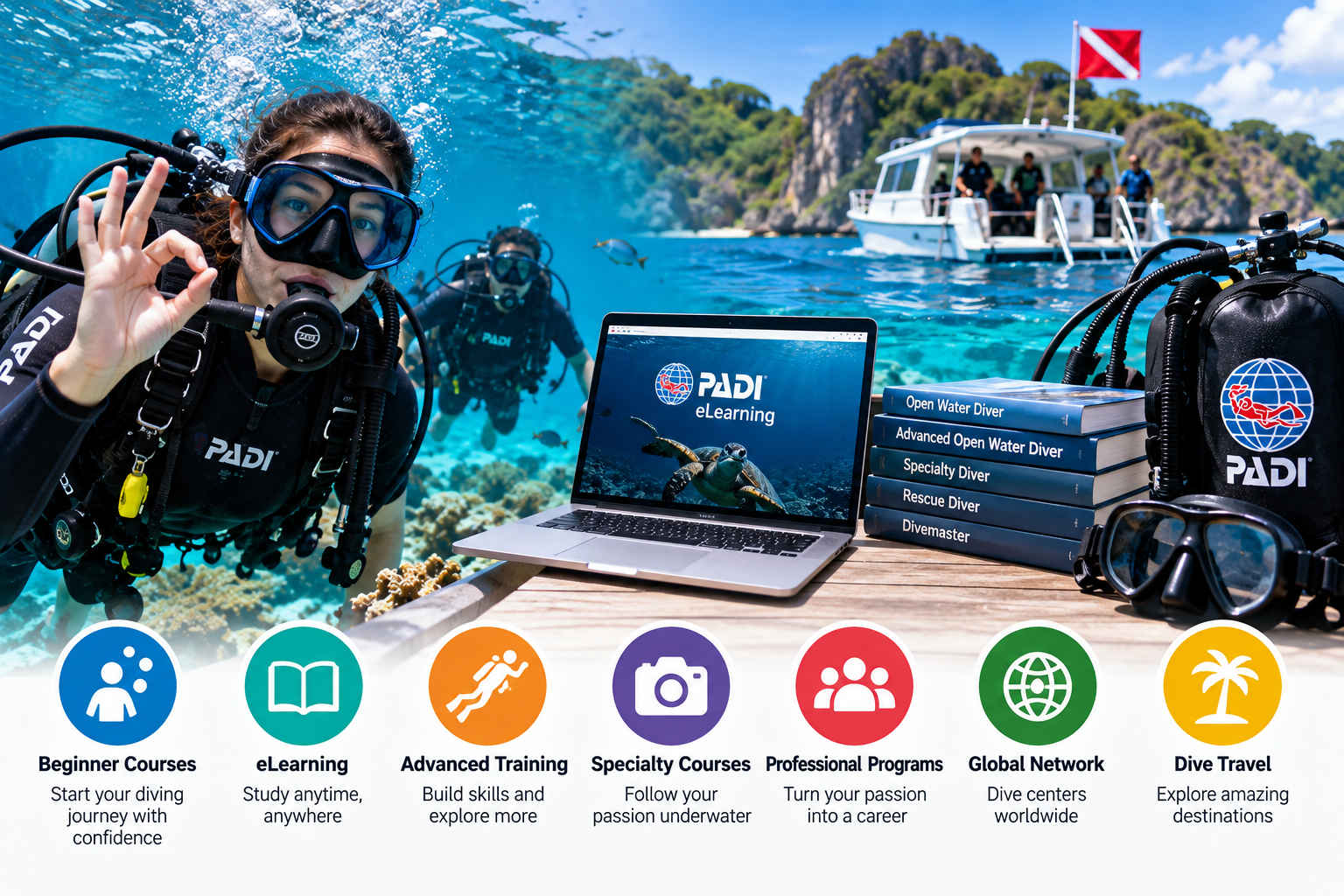
PADI offers a broad range of services for people at different stages of their diving journey.
PADI Open Water Diver Certification
The Open Water Diver course is the standard starting point for new divers who want to become certified. Training includes knowledge development, confined-water practice, and open-water dives. PADI also provides eLearning options so students can complete the academic portion at their own pace before meeting an instructor for practical training.
Once certified, divers can generally participate in recreational dives with a qualified buddy within the limits of their training and certification.
Discover Scuba Diving
People who are unsure about committing to a full certification can try the Discover Scuba Diving experience. It is designed for first-time divers and normally takes place in a pool or calm-water environment with a trained PADI Professional. Participants learn basic equipment use and introductory scuba skills.
This is an experience rather than a full scuba certification, making it useful for people who simply want to discover whether diving is right for them.
Advanced Open Water Diver
After completing initial certification, divers can continue their education through the Advanced Open Water Diver course. It introduces additional diving experiences and helps divers develop skills such as navigation and deeper diving under instructor supervision.
Specialty Courses
One of the largest parts of the PADI system is its selection of specialty courses. Options include wreck diving, underwater photography, dry suit diving, enriched air diving, underwater navigation, buoyancy training, and other specialized subjects.
This variety allows certified divers to choose training based on their interests rather than following a single fixed path.
PADI eLearning
PADI eLearning allows students to complete theory-based lessons digitally. According to PADI, the platform provides access to course material through computers and mobile devices, allowing students to study around their schedules.
For travelers, this can be particularly convenient because academic preparation can be completed before arriving at a dive destination.
PADI Reviews: What Do Customers Say About the Experience?
PADI reviews can vary considerably because the organization operates through independent dive centers and professionals around the world. A customer’s experience may therefore depend not only on the PADI training system but also on the specific instructor, dive shop, equipment, location, group size, and weather conditions.
Positive experiences often focus on the convenience of finding PADI courses in different destinations, the structured training system, online learning options, and the ability to continue education through specialty courses.
New divers may also appreciate having a clear progression from introductory experiences to Open Water Diver certification and then onto advanced or specialty training.
However, prospective customers should remember that a PADI certification does not mean every dive center provides exactly the same customer experience. Before booking, it is sensible to research the individual dive shop, instructor qualifications, recent customer feedback, equipment standards, course schedule, and what is included in the advertised price.
Is PADI Good for Beginners?
PADI has several options specifically designed for people who have never scuba dived before.
Discover Scuba Diving provides an introductory experience for people who want to try scuba without immediately committing to a full certification. For those ready to become certified, the Open Water Diver course provides a more comprehensive training pathway.
The learning process combines theory with practical training. Students learn about dive planning, equipment, underwater communication, procedures, and other fundamentals before applying those concepts in the water.
For beginners, choosing the right local instructor is just as important as choosing the certification organization. A patient instructor who explains concepts clearly and provides sufficient practice time can have a significant impact on the learning experience.
How Does PADI Certification Work?
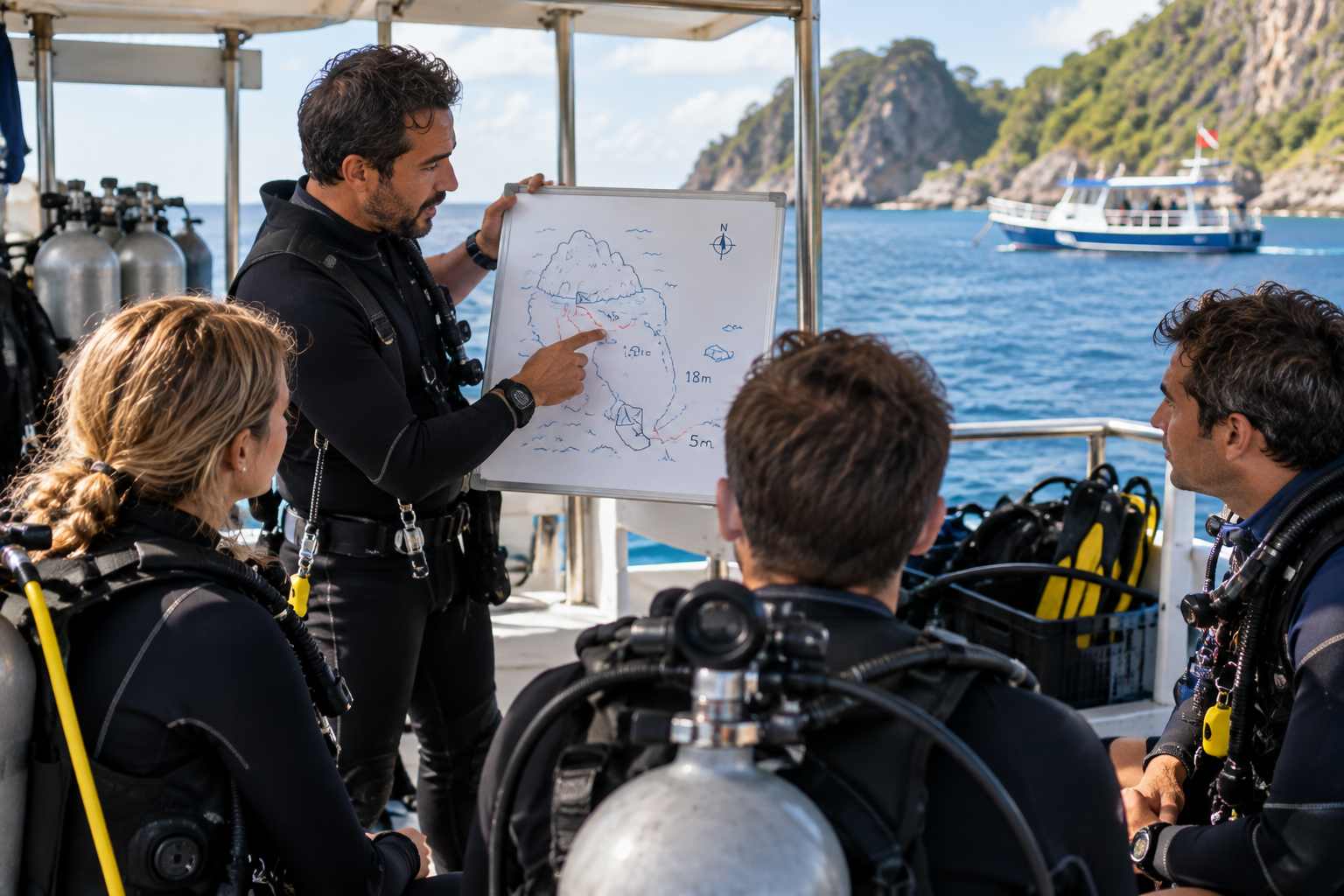
PADI describes scuba certification as a process involving three main phases: knowledge development, confined-water training, and open-water dives. Students can complete knowledge development through traditional materials or PADI eLearning before moving into practical training.
The Open Water Diver course can also be arranged across different locations. PADI explains that divers can begin eLearning and arrange in-water training afterward, book an entire course online, or work directly with a PADI Dive Center or Resort.
This flexibility can be useful for travelers who want to complete theory at home and practical training during a holiday.
What About PADI Travel?
PADI is not limited to certification courses. Its platform also provides access to dive travel options, including dive resorts and liveaboard experiences.
PADI says its Travel service connects divers with destinations and diving experiences, including resorts and liveaboards. The organization also provides access to dive centers and courses in destinations around the world.
For certified divers planning an overseas diving trip, having training, dive centers, and travel information within the broader PADI ecosystem can make trip planning more straightforward.
Are PADI Courses Recognized Worldwide?
One of the reasons PADI is frequently considered by international travelers is the broad recognition of its certification system.
PADI states that its certification cards are recognized and accepted across diving destinations worldwide. It also says its recreational diving courses comply with applicable ISO standards for recreational diving services, with independent auditing involving organizations including the European Underwater Federation and Austrian Standards Institute.
Divers should still check the requirements of individual dive operators because requirements for experience, recent dives, specialty certifications, medical documentation, or specific equipment can vary by location and activity.
What Can Affect the Cost of PADI Courses?
PADI course prices are not necessarily identical everywhere. The total cost can depend on the location, dive center, course level, instructor, equipment rental, boat trips, certification fees, learning materials, and other inclusions.
For example, a beginner course at a tropical resort may have a different total price from a course at a local dive shop. Some packages may include equipment and open-water dives, while others may charge additional fees.
Before booking, compare the complete package rather than looking only at the advertised starting price. Ask whether eLearning, equipment rental, pool sessions, boat fees, certification fees, and required dives are included.
Is PADI Worth Considering?
PADI offers a structured route from first-time diving experiences to recreational certification, specialty training, advanced courses, and professional-level education. Its international network can also make it easier for divers to continue training or find dive opportunities while traveling.
At the same time, PADI reviews should be considered alongside reviews of the specific dive center you plan to use. Because individual instructors and operators deliver much of the hands-on experience, local service quality can differ.
For someone researching scuba certification, PADI provides several learning formats and certification levels that can accommodate different experience levels and schedules. The combination of digital learning, practical training, specialty courses, and a large international network makes it a prominent option in the scuba diving industry.
Final Thoughts on PADI Reviews
PADI reviews provide useful insight into what divers can expect from the organization’s training ecosystem, but the individual dive center remains an important part of the experience. Beginners can start with Discover Scuba Diving or move directly toward Open Water Diver certification, while certified divers can explore advanced and specialty courses.
The biggest factors to investigate before booking are the local instructor, dive center reputation, course inclusions, equipment, schedule, total cost, and destination conditions.
Overall, anyone researching scuba certification should look beyond the PADI name and evaluate the specific course and dive operator they intend to use. Doing so can help ensure that the certification process matches their experience level, travel plans, budget, and diving goals.